Sunday, August 2, 2015

Wednesday, August 1, 2012
Thursday, July 26, 2012

Sunday, July 15, 2012
All City Championships 2012
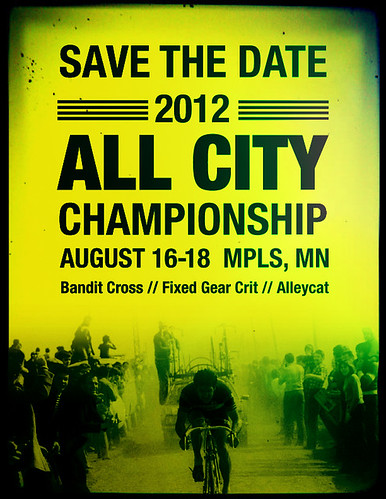
I wish I could make it to this, especially the bandit cross. I think I might know of an underused lot where we could have our own underground cross race...
Friday, July 13, 2012
Bike Share Feasibility Study
Alta Planning has released a Bike Share Feasibility Study for the City of Memphis. You can find it here: http://issuu.com/livablememphis/docs/memphis_bike_share_report_draft?mode=window&pageNumber=1
If you actually want to be able to read it, hit the single page mode. The Memphis stuff starts in section 5.
If you actually want to be able to read it, hit the single page mode. The Memphis stuff starts in section 5.
Tuesday, July 10, 2012
Sunday, July 8, 2012
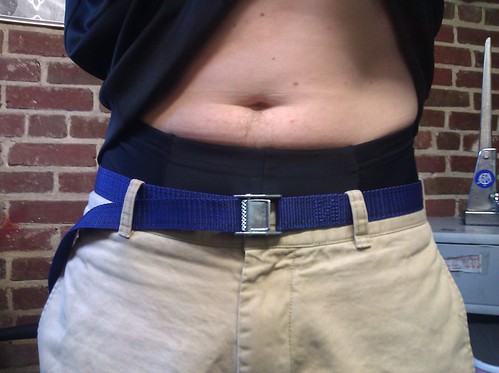
Bike Shop Fashion
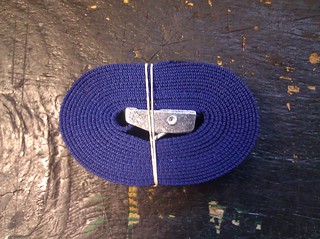
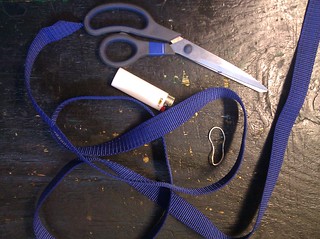
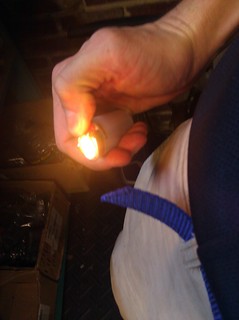
I left my belt at home yesterday morning. When you pack stuff into a trailer at 5:30AM it's kind of easy to forget a belt. But I'm a smart guy. If you don't recognize the blue strap you might not work in a bike shop. It's the strap that comes with a Thule rack and they are often left behind at the shop. They come in handy sometimes.
Friday, July 6, 2012
Cycle Memphis - July
Don't forget that tomorrow is the 1 year anniversary of Cycle Memphis!

Click the pic to go to the event page on facebook.
Click the pic to go to the event page on facebook.
Thursday, July 5, 2012
Missed BMX Connections
sexy bmx guy - w4m - 45 (minglewood hall parking lot)
Date: 2012-07-03, 7:06AM CDT
Reply to: h6db4-3115858386@pers.craigslist.org
I saw you spinning around in circles on your bike. Maybe next time we can ride the bike lanes back to my house where you can spin me around like you do to that bicycle! :)
Location: minglewood hall parking lot
it's NOT ok to contact this poster with services or other commercial interests
PostingID: 3115858386
Date: 2012-07-03, 7:06AM CDT
Reply to: h6db4-3115858386@pers.craigslist.org
I saw you spinning around in circles on your bike. Maybe next time we can ride the bike lanes back to my house where you can spin me around like you do to that bicycle! :)
Location: minglewood hall parking lot
it's NOT ok to contact this poster with services or other commercial interests
PostingID: 3115858386
Wednesday, July 4, 2012
Memphis Bicycle - Cleveland St. Flea Market Part 2
Vintage Schwinn Cycle Truck (438 N. Cleveland St.)

Bicycle Lovers,
Currently on display for showing to the public. The rare Schwinn Cycle Delivery Bike (Cycle Truck).
In the 1950's in midtown memphis, groceries were being delivered by young men from the Kroger store at 438 N. Cleveland (now the Cleveland Street Flea Market) to the surrounding neighborhoods. News papers were also delivered to neighborhoods by bicycle. Come by the Flea market this weekend and view the Schwinn Cycle Truck in its restored condition. There are also 40's and 50's nickel Coke machines on display. These items are not for sale, but for the free enjoyment of our Midtown friends and customers.
-Thanks for posting that on craigslist, y'all!
Bicycle Lovers,
Currently on display for showing to the public. The rare Schwinn Cycle Delivery Bike (Cycle Truck).
In the 1950's in midtown memphis, groceries were being delivered by young men from the Kroger store at 438 N. Cleveland (now the Cleveland Street Flea Market) to the surrounding neighborhoods. News papers were also delivered to neighborhoods by bicycle. Come by the Flea market this weekend and view the Schwinn Cycle Truck in its restored condition. There are also 40's and 50's nickel Coke machines on display. These items are not for sale, but for the free enjoyment of our Midtown friends and customers.
-Thanks for posting that on craigslist, y'all!
Subscribe to:
Posts (Atom)